HOTLINE: 0908 340 239
Escape to Cho Lach: Savoring Rustic Yet Heart-Warming Riverland Cuisine
This place is not only the "kingdom" of fruit orchards and ornamental plants but also a paradise of rustic riverland dishes that leave a lasting impression after just one taste. Let’s pack your backpack, change the scenery, and take a trip to the warm and hospitable land of beloved Cho Lach.
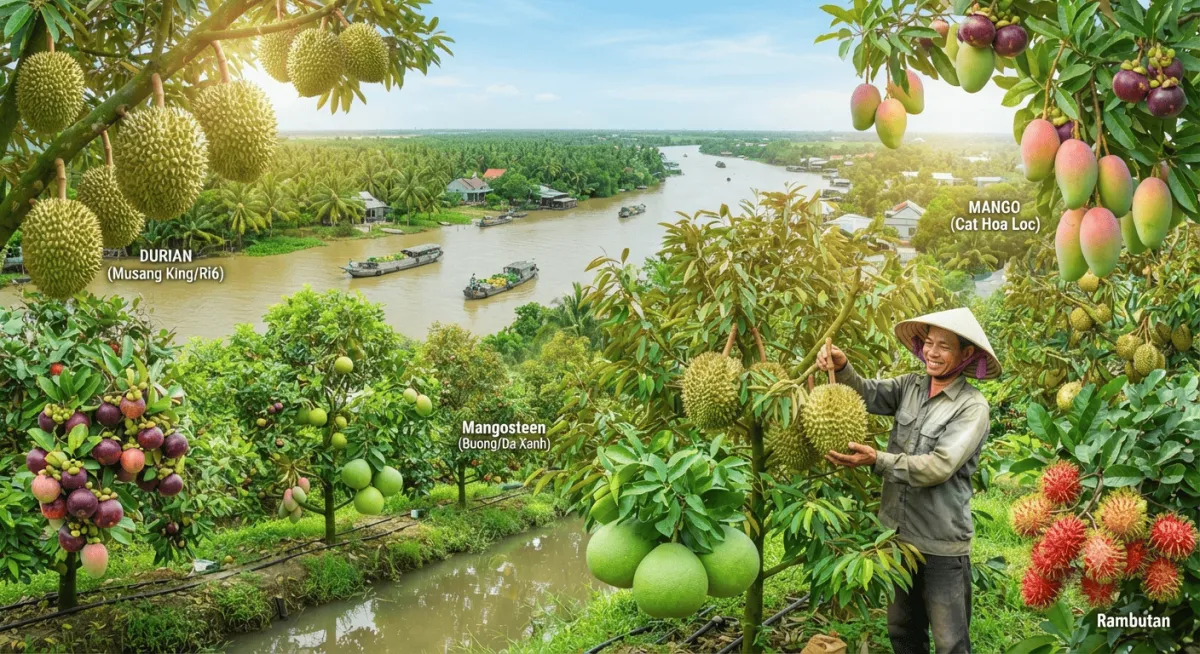
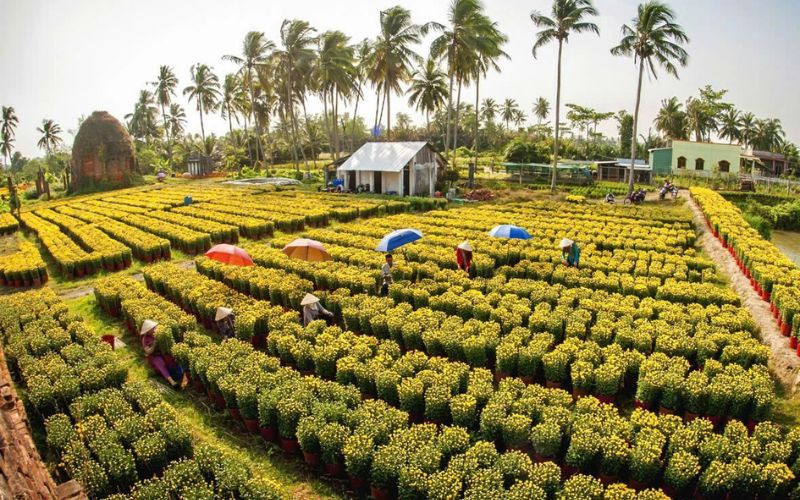
While the Mekong Delta is generally famous for its abundance, Cho Lach possesses a very distinct beauty, like a soft, gentle note in a lively piece of music. Located in the upper reaches of Minh Islet and embraced by two major rivers—the Co Chien and the Ham Luong—Cho Lach is blessed by nature with fertile alluvial soil all year round.
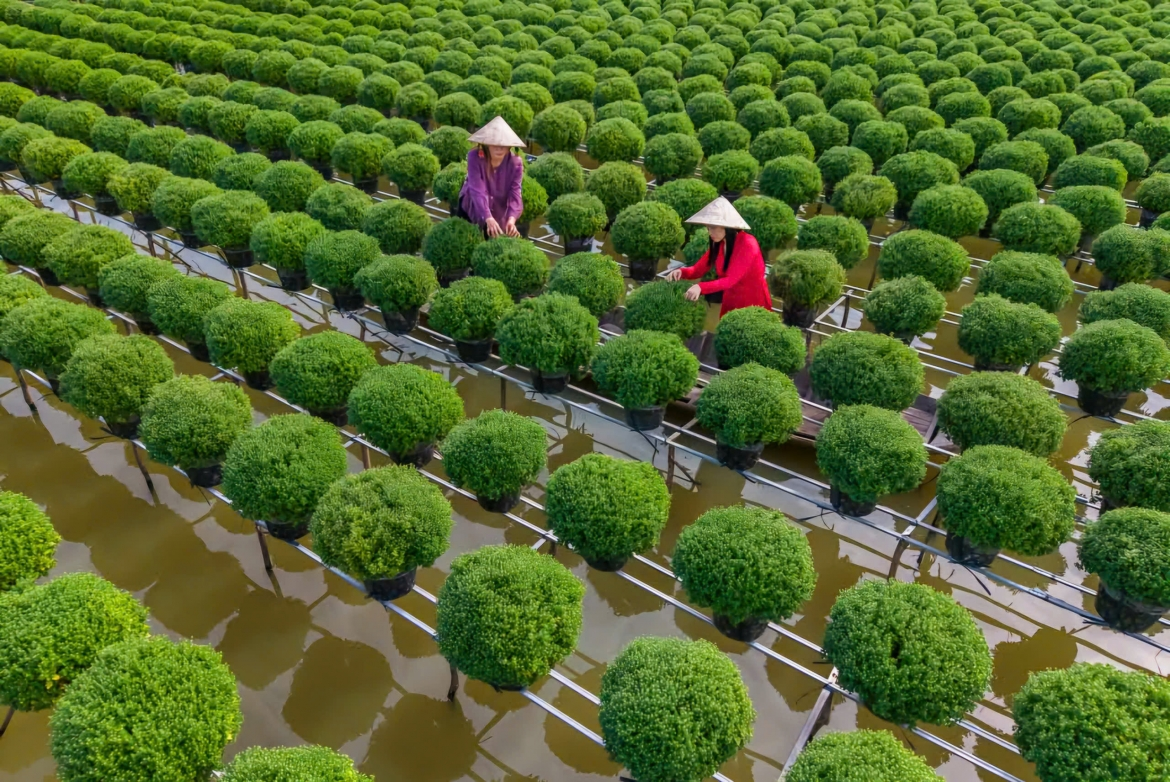
It is this very source of silt that nourishes the lush, fruit-laden orchards and the vibrantly colored flower-growing villages. Coming back to Cho Lach means returning to a vast green space where you can fill your lungs with fresh air—a true luxury in big cities.
2.1. A green space that "heals" the soul
Many people ask me what there is to do when traveling to Cho Lach. I usually smile and reply: "Go there to breathe, to slow down." Stepping onto the shaded village roads in Cho Lach, you will feel all your work pressure seemingly melt away. The green of the leaves and the golden hue of the orchard sunshine possess a magical healing power for weary souls.
2.2. Honest and hospitable Mekong people
The people of Cho Lach in particular, and Ben Tre in general, have a generous and simple nature, much like the rivers of their homeland. If you pass by a rambutan orchard, the owner might readily wave you in, plucking a bunch for you to try without asking for a single dime. The heartwarming smiles and the sweet "coconut land" accent will make you feel welcome from the very first moments you arrive.
Coming to Cho Lach without exploring its cuisine means you have missed out on half the trip. The food here is neither sophisticated nor flashy; instead, it goes straight to the heart through its freshness, natural flavors, and cooking styles deeply rooted in the days of land reclamation.
3.1. Straw-Roasted Snakehead Fish – The Flavor of the Reclaimed Fields
You may have eaten grilled snakehead fish in many places, but the straw-roasted snakehead fish in Cho Lach carries a completely different flavor profile.
3.1.1. A cooking method that preserves the natural sweetness
The snakehead fish, freshly caught from the ditch and still wriggling, requires no scaling or gutting. A bamboo stick is skewered from the fish's mouth to its tail, which is then driven into the ground and completely covered with dry straw. The straw fire bursts into flames, and though the smoke stings the eyes, it is this exact temperature that seals all the natural juices inside the fish.
3.1.2. Enjoying it the authentic Mekong way
When the straw burns out, the fish looks as black as a piece of charcoal. But don't worry—scraping away the charred outer scale layer reveals the snow-white, incredibly fragrant fish meat inside. Roll a piece of fish in rice paper with raw vegetables, green bananas, and sour star fruit, then dip it into a bowl of sweet and sour tamarind fish sauce... Oh my, the sweetness of the fish, the astringency of the banana, and the tanginess of the tamarind blend together to create an absolute explosion of flavors in your mouth!
3.1.3. Clay-Baked Mud Crab Hotpot – A Heart-Warming Late-Night Refresher
After a long day roaming through the orchards, a piping hot pot of field crab porridge hotpot in the evening is the ultimate choice.
3.2.1. Pure sweetness from fresh field crabs
Field crabs are finely ground and filtered for their extract to cook the porridge. The rice used must be of high quality and roasted until golden before cooking to give the porridge a distinctive aroma without becoming mushy. As the pot boils vigorously, golden and rich layers of crab roe rise to the top, looking absolutely mouth-watering.
3.2.2. The perfect pairing with garden vegetables
Cho Lach field crab porridge hotpot is typically served with wild vegetables growing around the garden, such as pennywort, sweet leaf, luffa, or pumpkin blossoms. The rich sweetness of the crab combined with the slight bitterness of the pennywort and the cooling freshness of the luffa creates a dish that is both nutritious and incredibly effective at cooling down the body.

Not limited to river fish and shrimp, Cho Lach cleverly incorporates its specialty fruits into daily meals, creating one-of-a-kind delicacies.
4.1. Free-Range Chicken Salad Mixed with Rambutan – A Unique Innovation
You might have heard of mangosteen chicken salad or Burmese grape chicken salad, but have you ever tried chicken salad mixed with rambutan? Cho Lach is the birthplace of this incredibly unique dish.
4.1.1. The unique sweet and sour taste of peeled rambutan
Firm, shredded free-range chicken is tossed with ripe, peeled, and deseeded rambutan segments. Onions, Vietnamese coriander, and roasted peanuts are added before drizzling a sweet and sour fish sauce over the mixture. The mild sweetness and crunchy texture of the rambutan combined with the rich flavor of the chicken create a salad that intensely stimulates the palate.
4.2. Cho Lach Rice Snail Banh Xeo – The Renowned Specialty of Phu Da Islet
To speak of Cho Lach is to speak of Phu Da Islet and its rice snail specialty. The rice snails here are large, with jade-green shells and white meat that is noticeably richer and sweeter than in other regions.
4.2.1. A unique filling made from crunchy rice snails
Instead of using pork belly and shrimp like traditional savory pancakes, the people of Cho Lach use boiled, shucked rice snails to fill their Banh Xeo.
4.2.2. The joyful sizzling sound and an unforgettable flavor
Pouring a ladle of rice flour batter mixed with coconut milk and turmeric powder into a hot pan creates a delightful "sizzling" sound, after which a handful of rice snail meat and bean sprouts are scattered on top. The golden, crispy pancake is folded over and served with wild leaves and garlic-chili fish sauce. With every bite, you can feel the crunchiness of the crust, the richness of the coconut milk, and the sweet, snappy texture of the rice snails.
To ensure a perfect getaway in Cho Lach, you should keep a few small tips in mind.
5.1. When is the best time to visit Cho Lach?
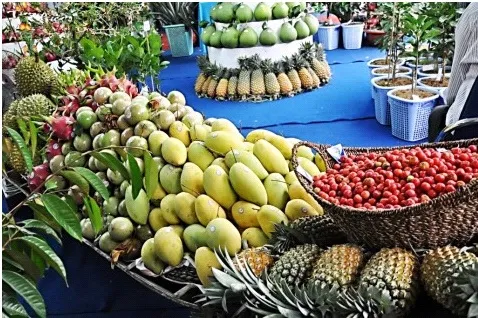
Cho Lach is beautiful in every season, but the ideal time is from May to August. This is when the fruit orchards (rambutan, durian, mangosteen, langsat...) enter their peak ripening season. You will get to admire vibrantly colored gardens and freely enjoy tree-ripened fruits right on the spot. Additionally, the Lunar New Year period is when the flower-growing villages of Cho Lach put on their most brilliant outfits.
5.2. The most convenient way to travel to Cho Lach
Cho Lach is about 140km from Ho Chi Minh City. You can travel by motorbike if you love road trips, or take a coach from Mien Tay Bus Station to Ben Tre, and then continue by bus or taxi to Cho Lach. The roads nowadays are very open and easy to navigate.
To fully experience riverland life, you should opt for a homestay accommodation.
6.1. A highly relaxing orchard homestay experience
In Cho Lach, there are many rustic homestays nestled right inside the fruit orchards. Waking up in the morning to the sound of birds chirping, stepping out onto the porch to pick a ripe fruit for breakfast, and spending the evening cooking with the host, sipping rice wine, and listening to Don Ca Tai Tu—these will surely be unforgettable memories.
The journey to escape to Cho Lach is not merely a sightseeing trip; it is a return to what is most rustic and original. The local riverland dishes do not use lavish delicacies to show off, but instead rely on the sheer freshness of the ingredients and the heart of the cook to warm the souls of travelers. If one day you find your heart feeling unsettled, come back to Cho Lach, let the river embrace you, and let the delicious flavors of the orchard comfort you!