HOTLINE: 0908 340 239
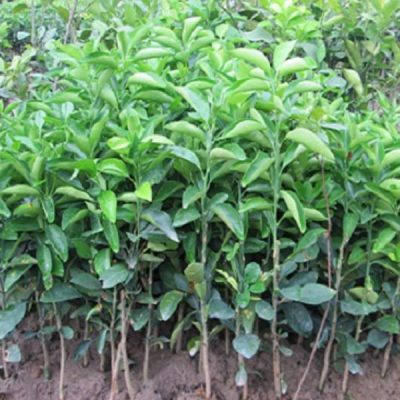
However, to enhance productivity, stabilize fruit quality, and secure high economic efficiency, growers must pay closer attention to crop care during the fruiting stage. Additionally, applying Trichoderma fungal preparations can support fertilization, improve planting soil, and aid in disease management ahead of the fruiting season.
Weeding, Tillage, and Sanitation: Perform weeding around the perimeter of the canopy projection, combined with mulching and maintaining adequate soil moisture.
Pruning: During the fruiting stage, growers must prune small, dry, and diseased branches to prevent infections from spreading to the fruit. Pruning must be carried out regularly to encourage vigorous new shoot growth, keep the canopy well-ventilated, and prevent pests and diseases.
Role of Trichoderma: Utilizing Trichoderma preparations supports beneficial microorganisms in the root zone to absorb nutrients, boost plant immunity, and protect the trunk, roots, and fruits against pests and diseases.
Dosage and Adjustments: Apply fertilizers in controlled amounts. During heavy rainy seasons, reduce or halt nitrogen application, as excessive nitrogen causes tender, succulent growth, waterlogging vulnerability, and potential tree mortality. If organic fertilizers with high nitrogen content are used, reduce inorganic nitrogen correspondingly.
Timing of Application:
Post-Harvest: Apply immediately after harvesting the fruit.
Spring Season: Apply before and after the emergence of spring shoots (February to March) to promote rapid flowering and high fruit-set rates.
Fruit Enlargement Stage (April to May): Fertilize to enhance fruit sweetness and prevent premature fruit drop.
Pre-Harvest: Apply before harvest to accelerate fruit growth and maximize yields.
Method of Application: Apply fertilizers along the tree canopy drip line. Dig a trench 30 cm wide and 10 cm deep from the edge of the canopy inward, mix the fertilizer evenly, distribute it into the trench, and cover with soil. Combine each fertilization round with weeding, mulching, and watering.
Important Note: Ensure adequate soil moisture by watering before and after fertilizer application, and supplement by spraying super-potassium.
Maintain Orchard Health: Manage and care for the orchard to keep trees robust and healthy.
Regular Monitoring: Frequently inspect trees for pests and diseases, enabling early detection and prompt containment of outbreak spots to prevent spreading.
Integrated Pest Management: Implement a combination of comprehensive prevention and control measures.
Targeted Spraying: Apply protective plant protection treatments at the most appropriate times for the crop.
 Zalo
Zalo