HOTLINE: 0908 340 239
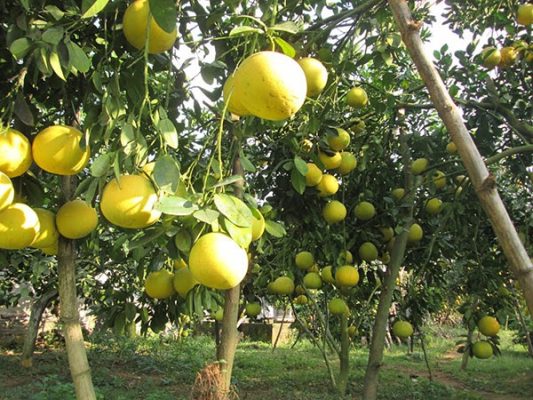
Origin & Growth: The Fujian red pomelo was cross-bred by a farmer named Li Fusheng in China. When grown from layered or grafted saplings, the tree can bear fruit within 2 years. At maturity, it reaches a height of 2 to 3 meters. It is exceptionally well-suited to Vietnam's climate conditions. When grown from grafted stock, the variety demonstrates good tolerance to saline and acidic soils (phèn và mặn). It can be successfully cultivated in various soils, including loamy soil, alluvial soil, red soil, and mixed sandy soil.
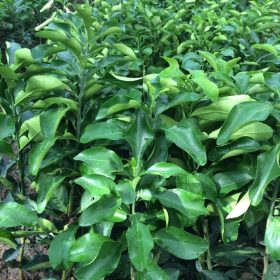
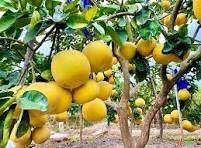
Leaves: The leaves feature a distinctive figure-eight shape and a dark green color. However, the leaf blades are slender and elongated rather than broad and round like the green-skinned pomelo, making them easily distinguishable.
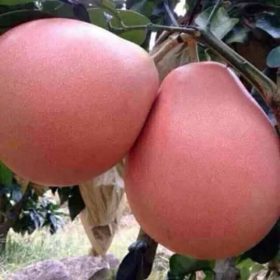
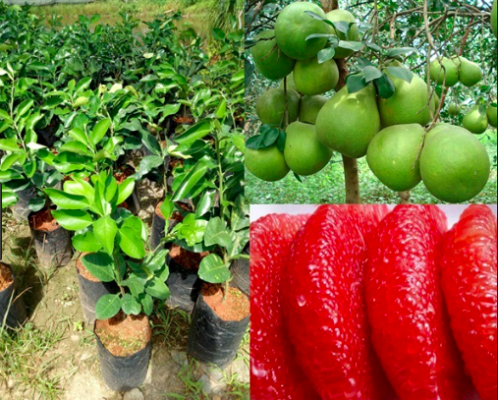
Fruit: The fruit skin has a pinkish-yellow color containing essential oils, while the flesh segments are deep red, very juicy, and contain few or no seeds. The average weight ranges from 1.6 to 2 kg. The flavor is sweet and aromatic. Compared to the Luan Van pomelo, the fruit is noticeably sweeter and contains significantly fewer seeds.
Spacing: Maintain a distance of 4 meters by 4 meters between individual trees and rows. In areas prone to frequent flooding, build raised mounds to prevent waterlogging.
Sunlight Requirements: This is a sun-loving variety. Plant in locations with abundant sunlight, avoiding shaded or low-light areas, which can stunt growth, increase mortality rates, and reduce fruit yield.
Soil Requirements: Requires loose, well-draining soil. You can use pre-packaged clean potting soil or a custom mix of coir dust, rice husk ash, a small amount of loamy soil, and treated animal manure.
Container Cultivation: Suitable for pot planting. The container must have a minimum diameter of 40 cm. Regularly check drainage holes to prevent roots from clogging them. For pots exposed to intense sunlight that absorb high heat, shield the pot or use a foam box to prevent high temperatures from killing the roots.
Fertilization: Compatible with processed oil-cake manure (phân bánh dầu), treated animal manure, and NPK 20-20-15.
Note: Avoid fertilizer overdosing, as it easily causes root rot.
Pest and Disease Management: Commonly plagued by white aphids (rầy trắng). You can spray dish soap solution onto the plant and rinse it off afterward to wash the aphids away, or use an organic mixture of pepper, alcohol, ginger, and chili to treat pests without using harsh chemicals.
Fruit Protection: When the fruits reach the size of a finger, they are highly vulnerable to fruit flies. Use bottom-cut fruit bags to wrap and protect them.
 Zalo
Zalo