HOTLINE: 0908 340 239
Are you curious why people always think of Vĩnh Long, or more specifically the Chợ Lách region, whenever plant varieties are mentioned? It is certainly no coincidence. It is the result of a rich history, nature’s blessings, and above all, the dedication of generations of artisans deeply rooted in their land and gardens.
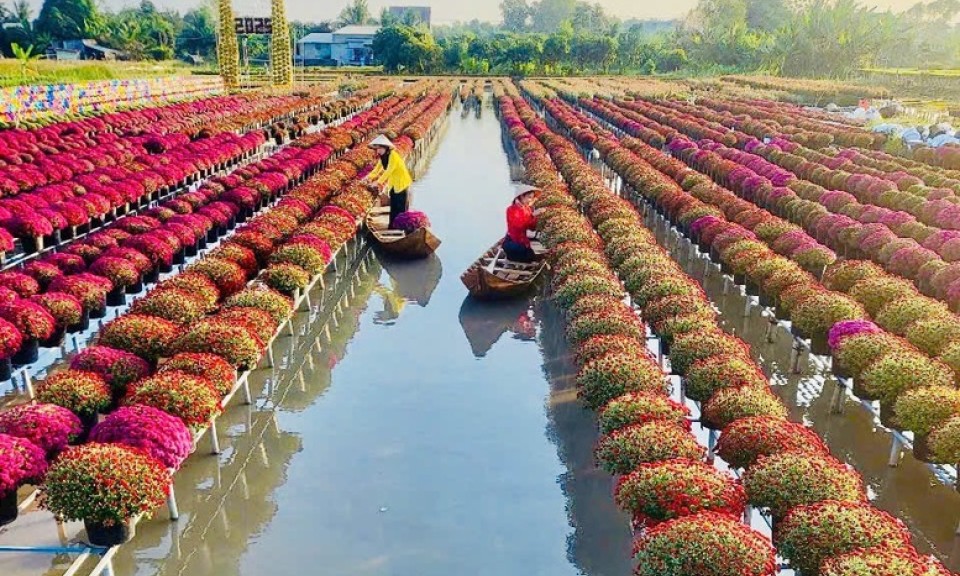
Tucked gently alongside the peaceful Tiền River, Chợ Lách is favored by mother nature with fertile alluvium enriched year after year. Year-round fresh water, loose and porous soil, and a temperate climate form the perfect cradle to nurture early green sprouts. Walking along the village roads in Vĩnh Thành, Hưng Khánh Trung B, or Long Thới, you will be amazed by the endless, sprawling "capitals" of plant varieties. Here, people do not just sell plants; they sell pride and the genuine dedication of true farmers.
Why do plants from this land possess such enduring vitality and adaptability? Imagine this: Would a child raised completely sheltered inside a greenhouse have better immunity than a child running and playing freely under the sun and rain in the fields?
The same goes for Chợ Lách plant varieties. They are forged in the most realistic natural conditions, from rustic river water to the sunshine and wind of the Southern region. Thanks to this, when you buy and plant them anywhere—whether in the scorching Central region or the basalt-red Central Highlands—the plants quickly adapt, driving their roots deep into the soil without hesitation or fussiness.
Going to buy plant varieties while only looking at a casually stuck name tag on a pot is like gambling with luck. Do not let lush green appearances trick your eyes. A standard plant variety must be a perfect combination from root to tip.
First, look down at the graft union. The rootstock and scion must be seamlessly connected, with no signs of abnormal swelling, cracking, or resin exudation—which are warning signs that the plant is secretly under attack by fungal diseases. The main trunk must be straight, with smooth bark and plump, bright buds. Never be tempted by cheap prices into choosing stunted plants, crooked trunks, or yellowed leaves, because rescuing a frail plant is like taking an extra burden onto your shoulders.
People often say, "A healthy plant relies on deep roots." The root system is the silent heart pumping vitality through the entire trunk and branches. When buying Chợ Lách plant varieties, boldly ask the nursery owner to show you the soil ball or check the root system (if it is a potted plant).
The soil ball must be firm, not crumbling or falling apart during transport. The taproot must be healthy, and notably, it should have plenty of pure white feeder roots gripping tightly around the ball. If you see roots poking out of the bottom of the pot or burrowing deep into the ground below, it means the plant has become "root-bound" from staying in the pot too long, and it will take a very long time to recover after planting!
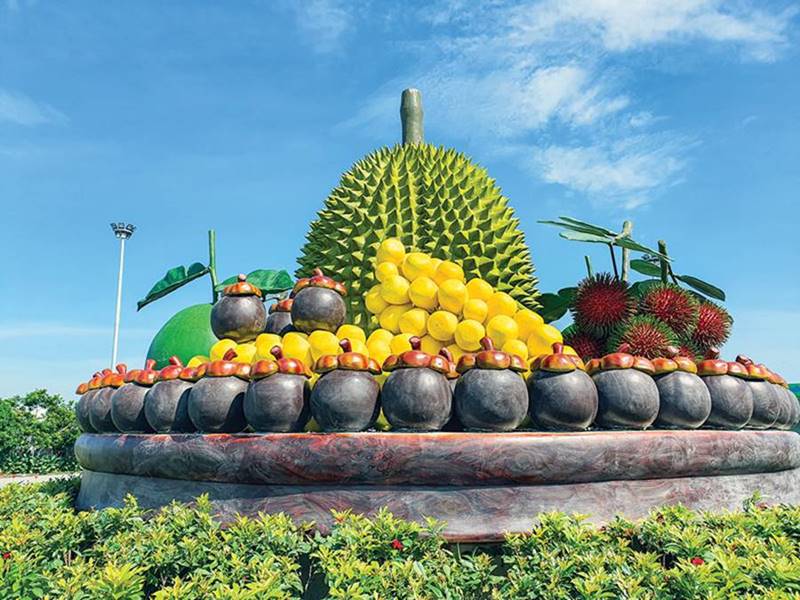
If you are a fan of royalty among fruits, you certainly cannot ignore durian. And when it comes to durian varieties, Chợ Lách plant varieties always hold a supreme position in the hearts of farmers everywhere.
From national favorites like the golden-fleshed, thin-seeded Ri6 and the fragrant Monthong to more premium lines, all are propagated through extremely strict selective grafting methods. The saplings carry the superior DNA of the mother tree: excellent disease resistance, early fruiting, and most importantly, thick flesh, thin seeds, and a sweet, melting taste on the tongue. Growing a standard Chợ Lách durian tree in your home garden is almost like owning an open-air gold mine!
Not stopping at durian, the world of plant varieties here is also a miniature universe with hundreds of different fruit types. Refreshing pink-fleshed green-skinned pomelo, crunchy rambutan, fragrant Hòa Lộc sweet mango, or super-early Thai jackfruit heavy with fruit from root to tip.
Every single plant is meticulously cared for by local artisans from the selection of graft eyes until shipping. You just need to make a list of the fruits your family loves, and leave the rest to Chợ Lách plant varieties. Just after a few years of cultivation, your entire garden will transform into a natural refrigerator, always ready to supply the freshest and safest fruits.
"You get what you pay for"—this saying is never wrong, especially in agriculture. Sometimes, just to save a few thousand dongs, you accept buying batches of unknown, unbranded plant varieties from open-air markets.
Then, what must happen will happen: After planting in the ground for half a year, the plant fails to grow even a handspan, or more bitterly, after painstakingly caring for it until harvest day, you are shocked to find it was grown from seed, or completely the wrong variety! By then, the time, effort, and money you invested have vanished into thin air. Therefore, do not begrudge a little initial cost to invest in genuine, reputable Chợ Lách plant varieties.
Another classic mistake that many people, even experienced farmers sometimes make, is focusing too much on the plant varieties while completely forgetting about the planting soil.
Imagine wearing a tight shirt and breathing in a suffocating room. No matter how high-end a plant variety is, if planted in hardened, acidic, nutrient-deficient soil, it will wither and die early. Before welcoming your "new arrival" home, remember to thoroughly improve the soil: apply lime for disinfection, mix in decomposed organic fertilizer, and create good drainage furrows. Prepare a nice, thoughtful home so the plant can feel secure sinking its roots and growing vigorously!
Right after bringing a plant home from Chợ Lách, the first three months mark the "golden period" determining the survival of the plant.
Regarding watering: Newly planted saplings do not have a fully developed root system yet to absorb water strongly. Water regularly every day in the early morning or late afternoon, keeping the soil moist but avoiding waterlogging which causes root rot.
Regarding sunlight: Do not rush to expose the plant to harsh sunlight right in the sweltering summer noon. Use shade netting to reduce light intensity by 30-50% for the first few weeks to help the plant get used to its new environment.
Regarding nutrition: During this stage, say "no" to high-dose chemical fertilizers! Prioritize bio-organic fertilizers, vermicompost, or banana extract to stimulate natural and safest root development.
The tender new leaves of plant varieties are very attractive "delicious meals" to pests, mealybugs, and fungal diseases. Frequently stroll around the garden, carefully inspecting each leaf surface and new shoot to spot unwelcome guests early.
Instead of abusing toxic chemical pesticides, you can apply safe biological methods such as using fermented garlic, chili, and ginger spray for periodic prevention. A healthy garden is one cared for with patience and true gardener's love.
Modern life sometimes sweeps us into the chaotic whirlwind of making a living, making us occasionally forget the feeling of touching Mother Earth and breathing the fresh air of grass, leaves, and flowers. Investing in a small garden with quality Chợ Lách plant varieties is not only a way to create a clean food source for your family, but also an incredible soul-healing therapy after stressful working hours.
Start planning to green your garden with meticulousness, wisdom, and a passionate heart. May you have a vibrant garden blooming with sweet fruits and bringing absolute joy every day!