HOTLINE: 0908 340 239
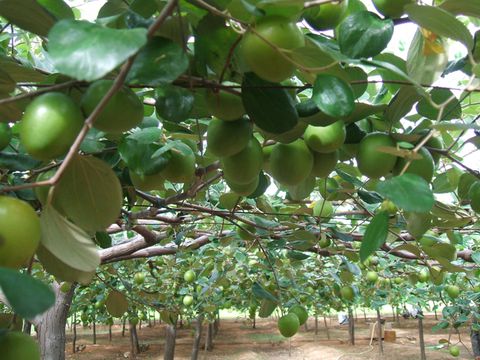
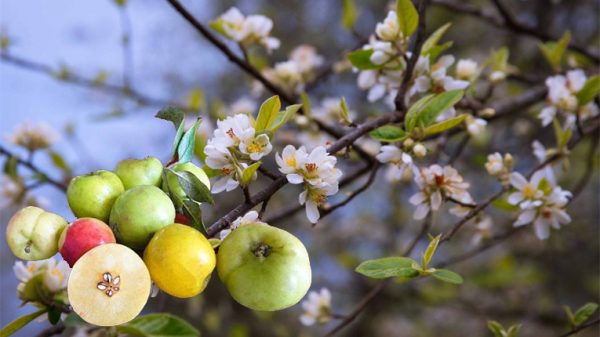
A new apple variety is currently creating a sensation in the market due to its exceptionally massive fruit size and delicious, crisp, and sweet flavor. Moreover, this variety delivers remarkably high yields.
Named the super-fruiting apple (táo siêu quả), its title reflects its exceptional productivity. This variety was developed through cross-breeding derived from the Dai Tao 15 apple. Fortunately, it inherited nearly all of the best qualities of the Dai apple stock.
Growth Habit: The super-fruiting apple is a soft-woody perennial. Mature trees reach a height of 3 to 5 meters.
Canopy & Fruiting: Foliage and framework branches develop extensively, displaying prolific bearing traits. When fruiting, apples cluster heavily along all branches, creating a striking visual display.
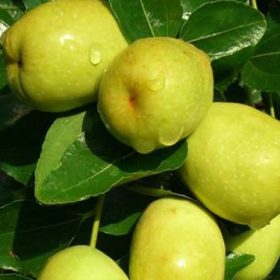
Fruit Characteristics: The fruits are exceptionally large—averaging the size of a sapodilla fruit (hồng xiêm). Upon tasting, you experience a rich, sweet flavor combined with a distinct crunch.
Harvest Season: The harvest window spans from October through February, aligning perfectly with the Lunar New Year (Tết) holidays, making it a highly sought-after seasonal treat.
Disease Resistance & Health Benefits: Beyond its flavor and high yield, this variety exhibits outstanding disease resistance, showing far fewer susceptibility issues compared to native strains. Consequently, it is widely cultivated and serves as an economic poverty-alleviation crop in many regions. Rich in beneficial nutrients, it is recognized for antioxidant properties, headache relief, digestive and gastric support, and constipation prevention.
Commercially available super-fruiting apple saplings are predominantly produced via grafting, ensuring genetic stability and rapid early yields. Select healthy, disease-free saplings standing 45 cm or taller with complete structural development.
Soil Requirements: Highly adaptable to various soils, though sandy loam soils (đất thịt cát pha) yield the best results. The ideal soil pH ranges between 5 and 7.
Land Preparation: Clear the area, plow and loosen the soil thoroughly, and remove all weeds. For low-lying areas, construct raised beds 40 cm high prior to planting.
Pit Preparation: Dig planting pits measuring 50 x 50 x 50 cm. Amend each pit with 10 kg of well-rotted organic manure, 0.5 kg of superphosphate, and 1 kg of agricultural lime for disinfection.
Carefully remove the nursery bag and gently place the sapling into the center of the pit in an upright position. Backfill with soil, press firmly around the root collar to stabilize the vertical posture, water thoroughly immediately after planting, and apply a thin layer of straw or dried grass mulch to prevent evaporation. Maintain consistent soil moisture for the first month.
Irrigation: Because apples thrive on high moisture, provide adequate water—preferably early in the morning or late in the afternoon. After the tree establishes itself past 3 months, watering frequency can be gradually reduced while keeping the soil consistently moist. Inadequate water during dry spells leads to small fruits, poor fruit set, and diminished flavor.
Pruning: Pruning requirements are minimal. Simply remove water sprouts (cành vượt), train structural shapes, and thin out branches during the fruiting phase. Annually prune away withered or aging wood and cultivate the surrounding soil.
To support high yields and large fruit sizing, regular fertilization is essential:
Year 1: Apply fertilizer twice a year, at a rate of 1 kg of NPK per tree per year.
Year 2 Onward: Increase fertilizer amounts by 10%. Apply additional booster nutrients during the fruit-setting stage to stimulate heavy yields.
Trees begin producing their initial commercial harvest by the second year after planting. Mature super-fruiting apples are large, with taut, glossy skin and a solid, heavy feel in hand. Harvest carefully to avoid bruising and store in a cool, ventilated area to preserve optimal freshness and quality.
 Zalo
Zalo