HOTLINE: 0908 340 239
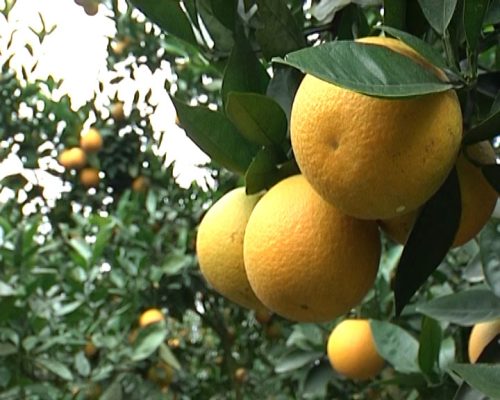
With many outstanding advantages such as an earlier harvest than other orange varieties, very few seeds, and a uniquely sweet taste even before fully ripening, the C36 early orange is a special choice for growers.
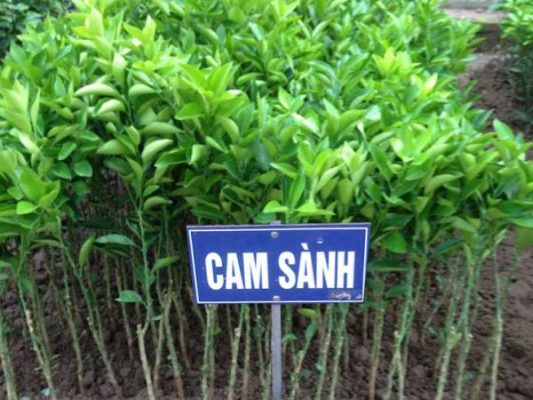
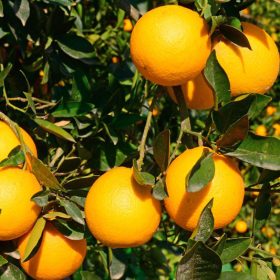
When thinking of oranges, many people immediately consider famous varieties like cam sành or cam cao phong. However, there is a particularly delicious type of orange that many people may have eaten without noticing: the C36 early orange.
The early orange is considered a plant successfully cultivated and bred by the Agricultural Crop Seed Company No. 1 (Đại học Nông nghiệp 1). It is crossbred from three different orange varieties, resulting in a cultivar with exceptional advantages that many current varieties lack.
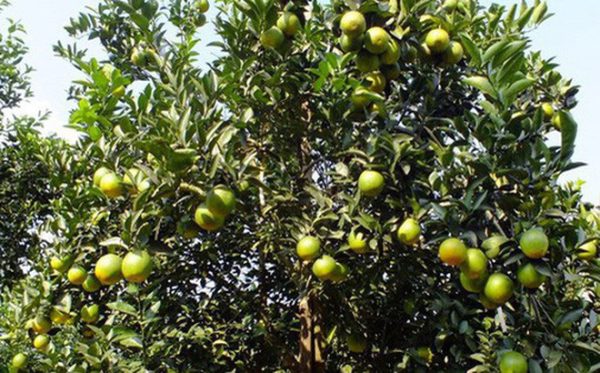
Although the early orange tree only reaches an average height of about 2 meters, it is currently the earliest-harvesting variety available. From planting to harvest takes only about 1 year, typically around September in the solar calendar.
The fruits are medium-sized, with smooth, glossy yellow skin when ripe, and are very easy to peel. When eaten, the early orange delivers an intensely sweet flavor and a distinctive aroma that many people love. Notably, a sweet taste is already present while the fruit is still green, eliminating the need to wait for full ripeness like many other orange varieties.
Because it is a new variety with superior advantages, it is widely planted by local farmers. The selling price ranges from 35,000 to 40,000 VND per kg, delivering quite high economic value.
According to experienced gardeners, early orange trees grow and develop rapidly. Carefully selected saplings are completely resistant to typical diseases such as Citrus Greening (yellow shoot disease).
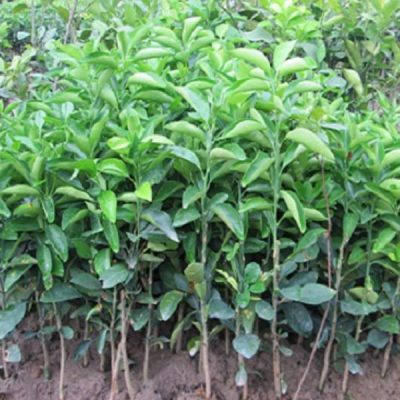
Currently, early orange saplings are asexually propagated using bud grafting. The resulting saplings exhibit excellent growth, development, high productivity, and stability. Simply select robust, healthy saplings free of pests and diseases.
The most suitable soil for growing early oranges is sandy loam mixed with well-rotted organic manure. The soil must have good drainage and be loose, as early oranges cannot tolerate waterlogging.
Prepare the planting land one month in advance by clearing bushes and weeds. Space the planting pits at least 3 to 4 meters apart. Dig each pit to dimensions of 50 x 50 x 50 cm and incorporate about 10 kg of well-rotted manure, 1 kg of superphosphate, and a little agricultural lime to disinfect the soil.
One month after soil preparation and upon securing the saplings, proceed with planting. Choose cool early-morning weather; avoid planting at midday to prevent the young plants from withering. Gently place the root ball into the pit, adjust the plant to an upright position, and fill in the soil. Insert a bamboo stake to secure the sapling, and water immediately after planting to help the roots take hold quickly.
Early orange trees have moderate water and humidity requirements. To ensure good growth, water the trees regularly once every 3 days, preferably during the early morning or late evening.
Early orange trees reach an average height of 2 meters. Because it is an early-harvesting variety, pruning and canopy shaping are necessary to enhance productivity.
3 months after planting: When the tree grows numerous branches and leaves, systematically pinch the tips to encourage primary framework branches (Level 1). The pinched tips will prompt two new shoots to emerge.
As these secondary branches grow longer, pinch their tips to form secondary branches (Level 2). Continue shaping the canopy into a rounded, well-ventilated form to prevent internal competition for light.
For experienced gardeners, inducing timed flowering is straightforward. If you lack experience, follow these steps to trigger uniform blooming:
Adjust irrigation and fertilization schedules. One month before your target flowering date, completely halt watering and fertilization to stress the tree into synchronized bud development.
After 1 week of water deprivation, resume watering for 2 days, then stop again. This triggers simultaneous blossoming.
Once the flowers bloom en masse, resume regular irrigation and fertilization.
Adjust fertilizer amounts based on soil fertility and plant vigor. While healthy plants thrive on fertilizer, applying too much to young or weak plants can cause root burn and death.
First year: Apply a total of 200 grams of NPK 15:15:18 fertilizer annually, divided into 3 applications spaced over 3 months apart.
Second year (first harvest): Increase the total amount to 400 grams of NPK fertilizer per tree, divided into 2 applications applied in early spring and late autumn.
High-yield years: Increase fertilizer amounts by an additional 10%.
Early orange trees may encounter typical citrus ailments such as fruit borers, leaf-eating caterpillars, and root rot. Fruit borers generally include stink bugs, aphids, and larvae, which directly impact yield and quality. Regular field monitoring is essential for early detection. Upon spotting signs of disease, spray biological control agents directly to manage outbreaks safely without spreading to neighboring plants.
Early orange trees can yield their first harvest as early as the second year if cultivated properly. Harvest when the skin turns a glossy yellow and the fruit feels firm and heavy in hand. Pick the fruit during the early morning without rain for optimal quality. Store immediately in a cool, ventilated place after harvest to maximize freshness.
 Zalo
Zalo